Date: Wednesday, December 9, 2026
Time: 5:00 pm– 6:00 pm CET
RANS, URANS, and LES at Every Design Stage
Which CFD fidelity level fits each stage of turbomachinery design, and what does GPU-acceleration change at each one? This webinar answers both questions using three case studies on real problems.
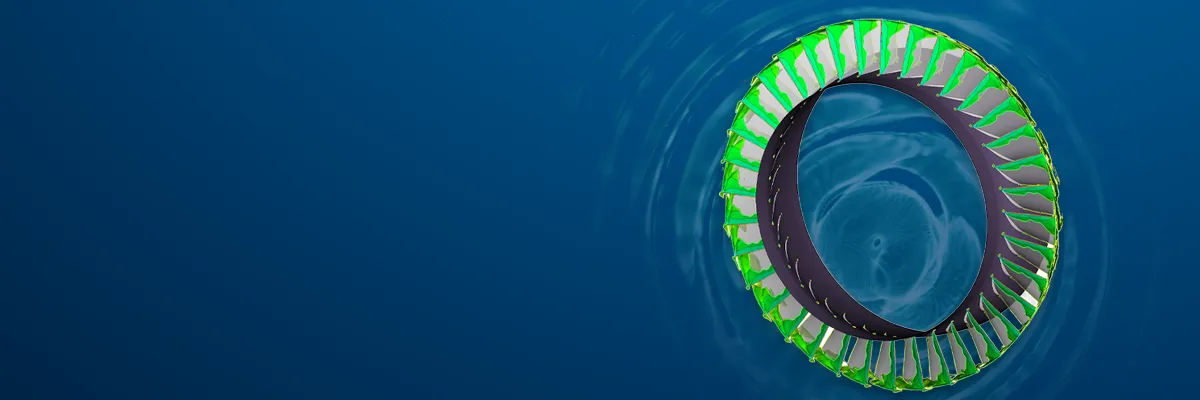
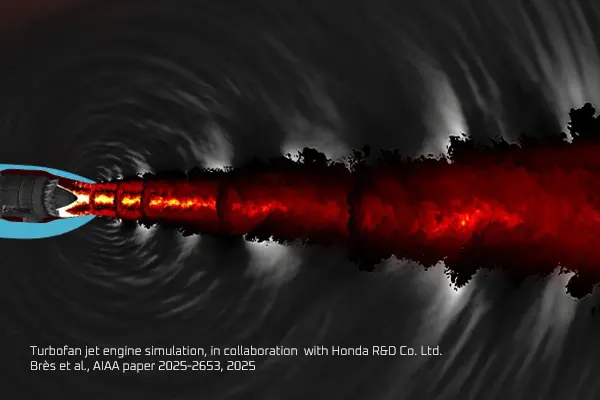
Turbomachinery programs require different fidelity at different stages. Steady RANS drives preliminary performance prediction. URANS resolves rotor-stator interaction and unsteady loading during detailed design. LES captures the physics that RANS closures miss, such as separation, transition, tip-leakage vortices, and broadband noise sources.
Running all three on GPUs shortens turnaround at every level. Preliminary sweeps can cover more of the design space. Unsteady analysis fits within the project schedule rather than being deferred. Scale-resolving simulation becomes practical for the cases that need it. The net effect is more simulation capacity within the same schedule, with no loss of accuracy.
GPU-Powerd Turbomachinery CFD – The webinar covers one case study per method
- Fidelity Turbo (RANS): preliminary performance prediction
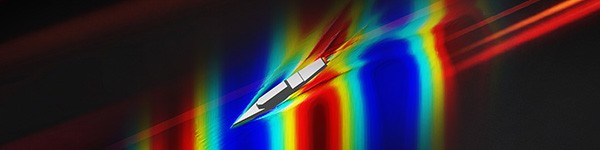
- Fidelity Flow (URANS): detailed unsteady design analysis
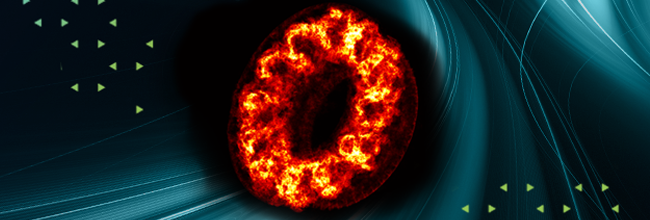
- Fidelity Charles (LES): scale-resolved flow physics
Each case shows how the solver performs a representative problem and what GPU acceleration means for turnaround time in practice.
Who should attend
CFD and aerothermal engineers working on compressors, turbines, fans, and pumps, and the engineering managers who own simulation schedules and compute budgets.
Date: Wednesday, December 9, 2026
Time: 5:00 pm– 6:00 pm CET
Speaker
- Domenico Mendicino | Sr. Product Engineering Manager | Cadence
- Artemii Sattarov | Product Engineering Manager | Cadence
What You’ll Learn
- How to match steady RANS, URANS, and LES to preliminary performance prediction, detailed unsteady design, and scale-resolved analysi
- Fidelity Turbo (RANS): how GPU turnaround lets preliminary sweeps cover more of the design space
- Fidelity Flow (URANS): how rotor-stator interaction and unsteady loading analysis can fit within the project schedule instead of being deferred
- Fidelity Charles (LES): how scale-resolving simulation becomes practical for separation, transition, tip-leakage vortices, and broadband noise sources
- What GPU acceleration means for turnaround time on each representative problem